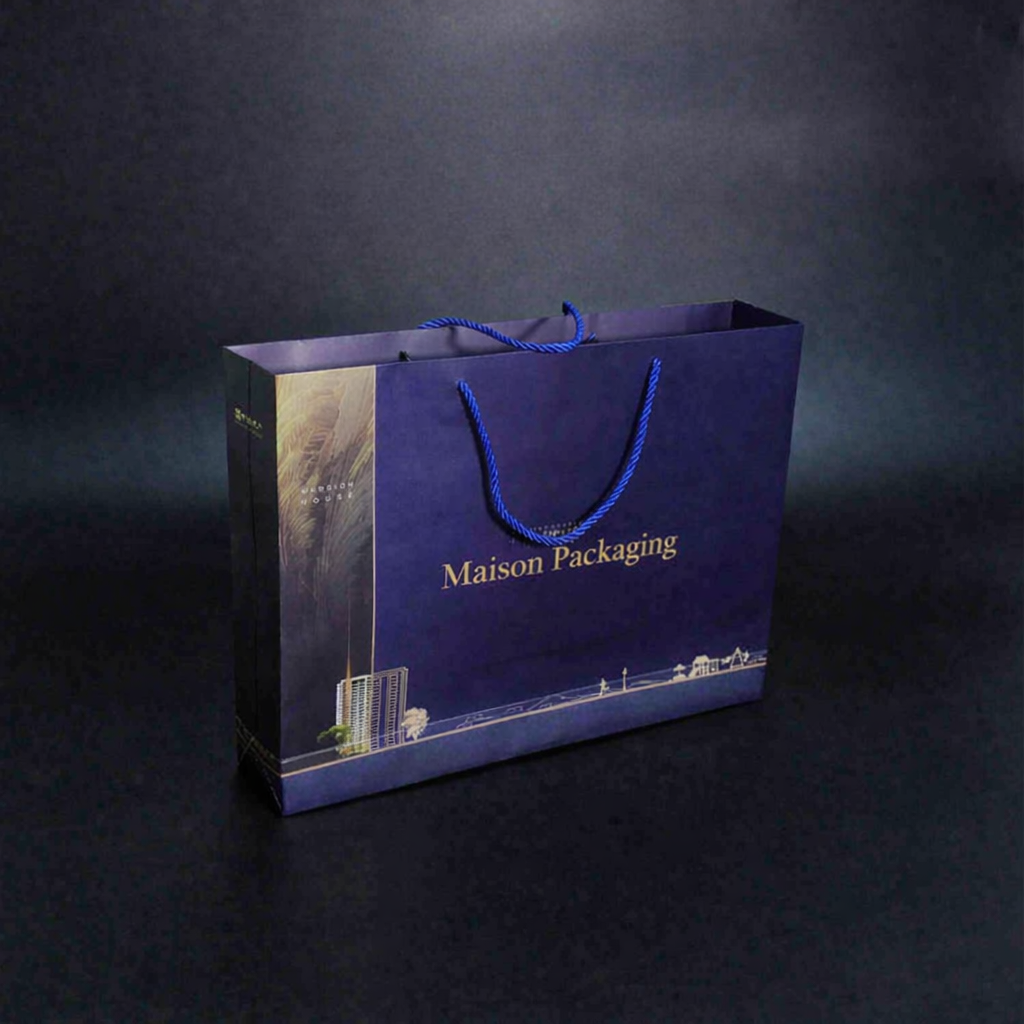
How to Choose the Right Packaging for Your Wine Brand
Wine has long been part of European culture, deeply rooted in tradition, gastronomy, and craftsmanship. In France and across Europe, wine is more than a product — it reflects heritage, terroir, and brand identity.
In a competitive market, wine packaging plays a decisive role. Before a bottle is tasted, it is seen. Packaging is often the first signal of quality, positioning, and price perception. Choosing the right level of packaging is therefore a strategic decision for wineries and brands.
Why Wine Packaging Matters
Wine packaging is widely recognized as one of the most demanding forms of product packaging. It combines structural protection, visual impact, and brand storytelling, often involving premium materials and complex manufacturing processes.
As wine prices vary significantly — from everyday bottles to limited editions and luxury cuvées — packaging must be aligned with the market positioning of the wine itself. In Europe, this balance between elegance, restraint, and authenticity is especially important.
1. Entry-Level Wine Packaging Boxes
Functional, Cost-Efficient, Brand-Consistent
Entry-level wine packaging focuses on practicality and cost control, while still maintaining a coherent brand image.
These boxes are commonly used for:
- Everyday wines
- Retail distribution
- Large-volume production
Key characteristics:
- Standard box structures
- Optimized cardboard thickness
- Clean, simple graphics
- Efficient manufacturing processes
Well-designed entry-level packaging proves that affordability does not mean sacrificing professionalism. When executed correctly, it supports brand recognition while keeping production costs under control.
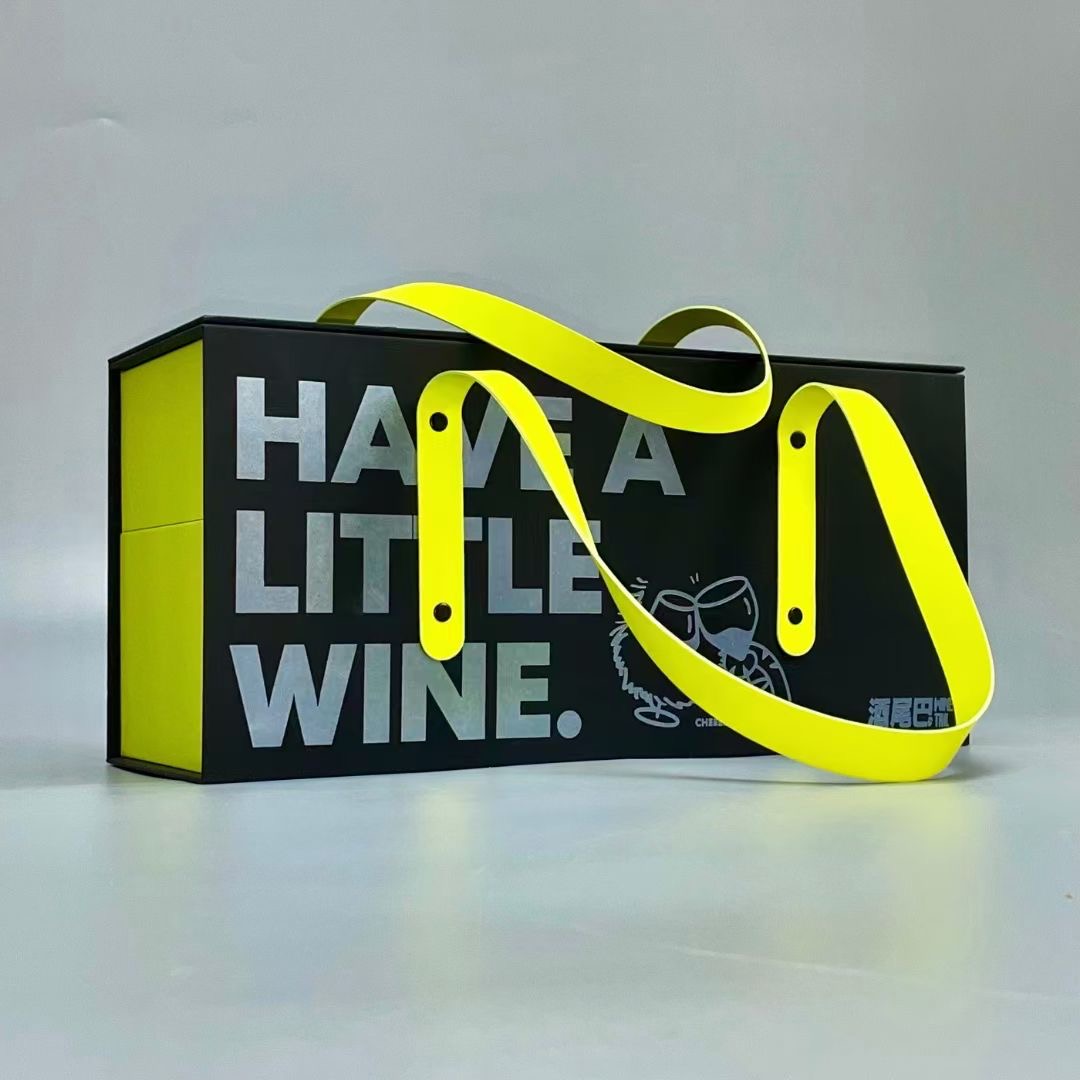
2. Mid-Range Wine Packaging Boxes
Balanced Design, Strong Brand Expression
Mid-range wine packaging represents a balance between aesthetic value and production efficiency. This category is particularly popular among European wineries seeking to stand out without moving into ultra-luxury pricing.
Typical features include:
- More refined materials and finishes
- Thoughtful structural design
- Clear brand positioning
- Subtle use of premium techniques (embossing, selective varnish, foil accents)
At this level, packaging should express the wine’s character, origin, and values, while remaining commercially viable. With careful design and production choices, strong visual impact can be achieved without excessive cost.
3. High-End Wine Packaging Boxes
Premium Materials, Distinctive Identity, Luxury Experience
High-end wine packaging is designed for prestige wines, limited editions, and luxury collections. In Europe, this segment continues to grow as wineries invest in premium branding and experiential packaging.
Characteristics of high-end wine boxes:
- Custom structures and bespoke formats
- Premium materials and finishes
- Sophisticated color palettes
- Strong cultural and visual storytelling
- High attention to detail at every production stage
Luxury wine packaging is not decorative excess — it is controlled elegance. The goal is to elevate the product without overshadowing the wine itself.
Key Elements of Successful Wine Packaging Design
Regardless of price category, effective wine packaging relies on three fundamental principles:
Structural Design
The box structure must be functional, protective, and visually balanced. The form should enhance the product, not complicate it.
Visual & Material Design
Color choices, textures, and finishes should reflect the wine’s origin, style, and quality. Overly flashy designs often conflict with the understated elegance expected in European markets.
Brand Positioning
Packaging alone cannot create value — it must support a coherent brand narrative. Even the most refined packaging loses impact if it is disconnected from the brand’s identity and market positioning.
Final Thoughts
Wine packaging is not simply a container — it is a strategic extension of the product and the brand. From accessible ranges to high-end collections, the right packaging level reinforces perception, supports pricing, and builds trust with consumers.
By aligning design, materials, and production quality with the wine’s positioning, brands can create packaging that resonates with European consumers while remaining commercially sound.