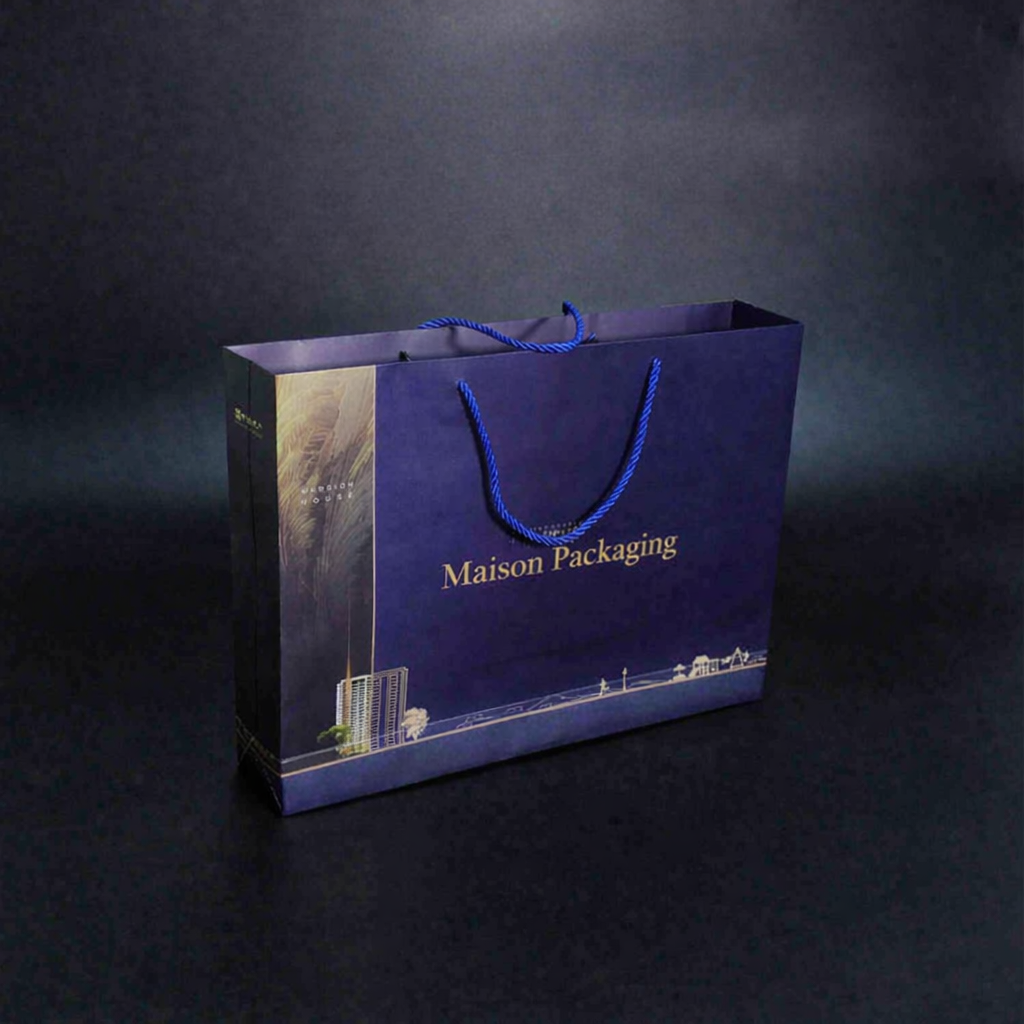
How to Design Packaging That Attracts Attention
Three Key Elements That Make Products Stand Out
In competitive retail environments, packaging design plays a decisive role in purchasing decisions. Long before a customer experiences the product itself, they interact with its packaging. A well-designed package communicates value, builds trust, and captures attention within seconds.
Successful packaging design is never accidental. It results from a clear understanding of the brand, the product, and the expectations of the target market. Below are three essential elements that consistently define packaging that stands out on shelves and online.
1. Strong Visual Identity and Recognisability
Packaging must be immediately identifiable.
A strong visual identity allows customers to recognise a product at a glance and distinguish it from competitors. This includes consistent use of colours, typography, layout, and graphic elements that reflect the brand’s positioning.
On crowded shelves, consumers scan quickly. Packaging that is distinctive, balanced, and visually coherent is more likely to capture attention and be remembered. Clear branding also builds familiarity over time, increasing repeat purchases and brand loyalty.
Effective packaging does not rely on excess decoration. Simplicity, clarity, and precision often create a stronger impact than complex or overloaded designs.
2. Alignment With Product Attributes
Packaging must accurately reflect what the product represents.
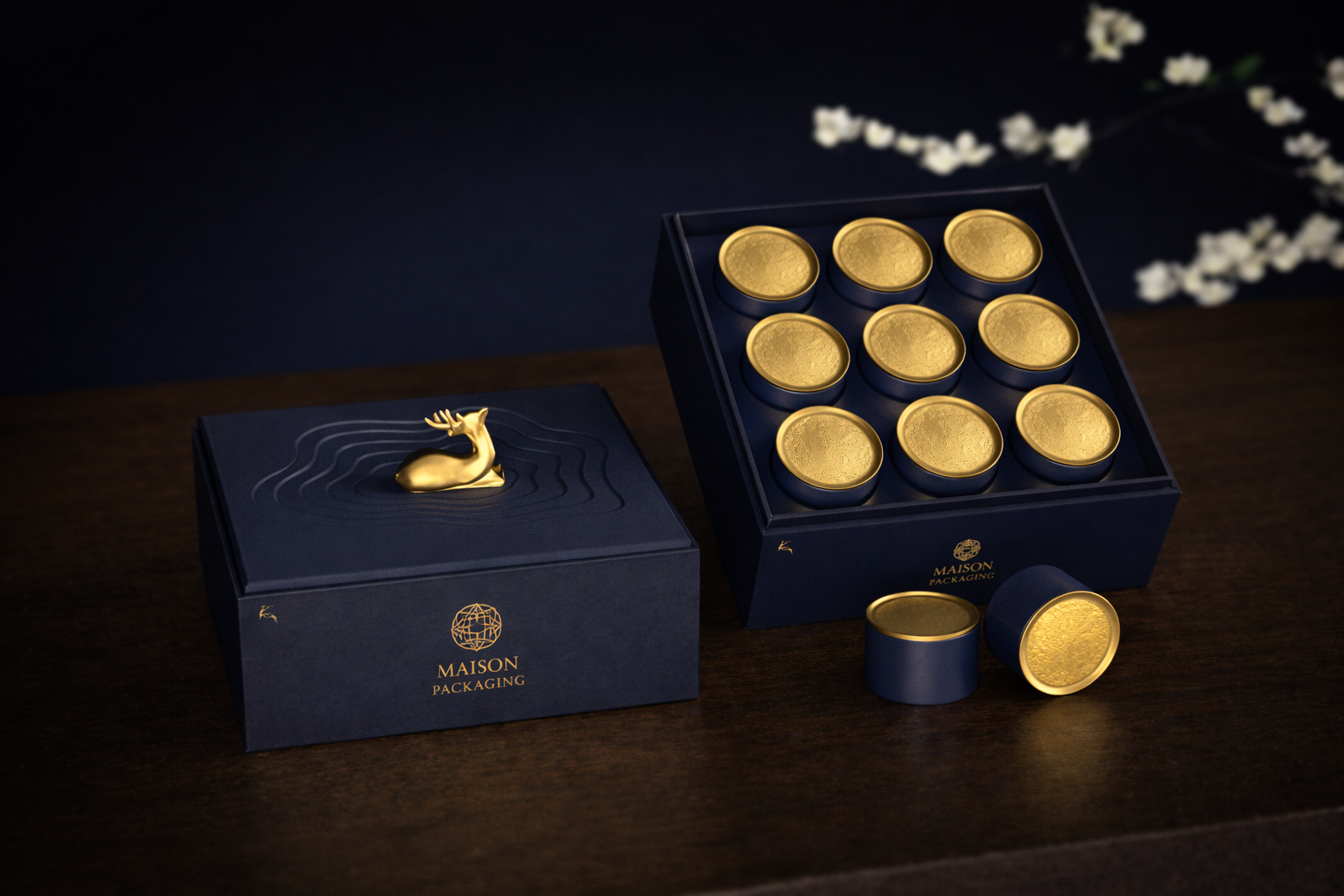
A fundamental role of packaging is to communicate the nature of the product clearly. Materials, structure, finishes, and colours should align with the product’s category, price positioning, and intended use.
For example, premium products often require refined materials, precise construction, and subtle finishes, while functional or everyday products benefit from clarity, durability, and ease of use. When packaging design does not match the product’s attributes, it creates confusion and weakens consumer trust.
Well-designed packaging allows customers to understand the product instantly—without explanation—by visually reinforcing its purpose and quality.
3. Addressing Practical and Emotional Needs
Effective packaging solves problems while creating an emotional connection.
Beyond aesthetics, packaging must be functional. Ease of opening, handling, storage, and protection are essential considerations. Thoughtful structural details—such as magnetic closures, inserts, handles, or reusable designs—enhance the overall user experience.
At the same time, packaging has emotional value. Texture, weight, finish, and visual harmony contribute to how a product feels when held. These sensory cues influence perceived quality and can elevate a simple purchase into a memorable experience.
Packaging that combines practicality with emotional appeal encourages customer satisfaction and strengthens brand perception.
Why These Elements Matter
Consumers today are more selective and informed. They expect packaging to be honest, well-made, and aligned with brand values. Designs that focus only on appearance without considering structure, materials, and usability often fail to meet long-term expectations.
Successful packaging is the result of disciplined design thinking, technical expertise, and attention to detail throughout the development process—from concept to production.
Conclusion
Attractive packaging is not defined by trends alone. It is built on clarity, consistency, and purpose.
By focusing on recognisable visual identity, alignment with product attributes, and thoughtful functionality, brands can create packaging that stands out, communicates value, and supports sales across European markets.
Well-designed packaging does more than protect a product—it reinforces brand credibility and leaves a lasting impression.