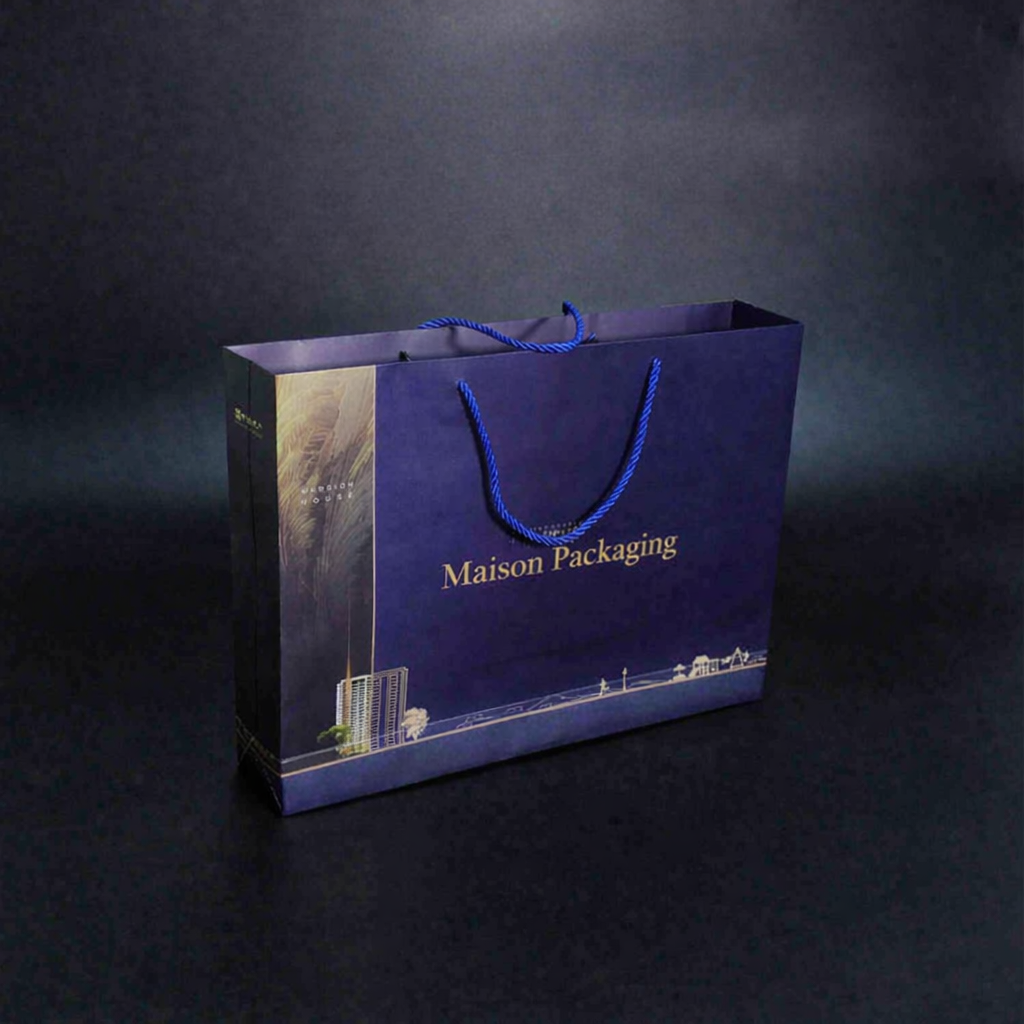
When Choosing Packaged Products, How Should You Evaluate the Packaging?
When consumers choose a product, their decision is rarely based on the product alone. In retail environments across France and Europe, packaging plays a decisive role in shaping first impressions, perceived value, and purchase intent.
Before a product is tested or even understood, it is the packaging that communicates quality, positioning, and credibility.
So, what should you look for when evaluating packaging?
In practice, three key elements matter most.
1. The Visual Appearance of the Packaging
Packaging appearance is one of the strongest drivers of product sales.
As the saying goes, “Clothes make the man” — and the same principle applies to packaging. In competitive markets, dozens of products may offer similar functions, but distinctive and well-designed packaging helps a product stand out immediately.
Effective packaging design should:
- Feel visually balanced and refined
- Use colors, typography, and finishes consistently
- Clearly communicate the product’s purpose at first glance
A strong design is not about being flashy. It is about being recognizable, intentional, and aligned with the brand’s positioning.
2. The Structural and Material Quality
At first glance, many packages look attractive. However, true quality is revealed through materials, construction, and finishing details.
In lower-quality packaging, it is common to see:
- Weak or overly thin materials
- Inconsistent printing or blurred text
- Unpleasant odors caused by poor paper or ink choices
- Fragile structures that feel unstable when handled
High-quality packaging, by contrast, feels solid, precise, and well-finished. Edges are clean, surfaces are consistent, and the package holds its shape. These details may seem subtle, but they strongly influence how consumers judge the product inside.
In European markets especially, material quality is closely associated with brand trust and professionalism.

3. Functionality and User Experience
Good packaging is not only beautiful — it is practical.
Thoughtful details such as:
- Easy-opening systems
- Secure closures
- Protective inner structures
- Comfortable handling or carrying features
greatly improve the user experience. These features do not necessarily increase production costs significantly, but they signal care, intention, and respect for the end customer.
When packaging is intuitive and functional, it reinforces the impression of a well-designed product and a serious brand.
Why Packaging Quality Matters
Packaging is often the first physical interaction a customer has with a brand.
It influences perceived value, brand credibility, and even long-term customer loyalty.
High-quality packaging:
- Enhances product positioning
- Supports premium pricing
- Reduces returns and damage
- Strengthens brand identity
For brands selling in France and across Europe, where consumers are highly sensitive to quality, sustainability, and design coherence, packaging is not optional — it is strategic.
A Best-Practice Approach to Packaging
Professional packaging results from clear design intent, proper material selection, controlled production, and attention to detail at every stage.
Brands that apply structured validation, careful quality control, and thoughtful design principles consistently deliver packaging that meets both technical standards and market expectations.
This approach ensures that packaging is not just attractive — but reliable, functional, and aligned with brand values.